


Goofy dolphins that need your help

Updated: Dec 11, 2020
The first time I saw this creature was on TV back in 2009 as Steve Backshall jumped into the Amazon River and fed them fish for one of my all-time favourite shows, Deadly 60. He was feeding river dolphins. Bright pink ones, native to Brazil. They’re one of the goofiest looking freshwater animals I’ve ever seen, hence deserving a spot on the Wacky Wednesday list.

Scientific name: informal group from the Cetacea order
Geographic location: rivers and deltas in South Asia, the Amazon, and Australia
Distinguishing feature: large, bulbous head
Conservation status: Vulnerable
Whilst all looking quite similar, river dolphins are actually a loose group of species from multiple families. Surprisingly, one of their closest living relatives, diverging 40 million years ago, is the hippo! They can be found in some of the world’s largest rivers including the Amazon and the Ganges, and prefer freshwater and brackish waterways.
Depending on the species, river dolphins can range between 1.5 and 2.4 metres long, with males being larger than females (known as sexual dimorphism). Having tiny, incompetent eyes and living in murky river water mean they are practically blind. To compensate, river dolphins have highly sensitive hearing and use echolocation to determine where fellow dolphins or prey may be. Echolocation is a technique used by animals such as bats and dolphins to locate objects around them by listening to how sound is reflected.
Research has shown that they listen using their throat, and the signals travel to the inner ear and brain for processing. River dolphins, similar to oceanic dolphins , make clicks and whistles using a fatty organ in their skull called their ‘melon’! Kind of like humans I suppose (🧠)!
What makes river dolphins like the Amazon river dolphin look so bizarre is their long snouts. Reaching up to 60cm long (4 times longer than regular ocean dolphins) they contain conical teeth which are perfectly adapted for capturing small fish.
Unfortunately, river ecosystems are highly vulnerable to human development and agriculture. The South Asian river dolphin is being threatened by pollution from industrial chemicals and development of dams which separate individuals from the main population. They can also be caught and killed as bycatch in fishing regions.
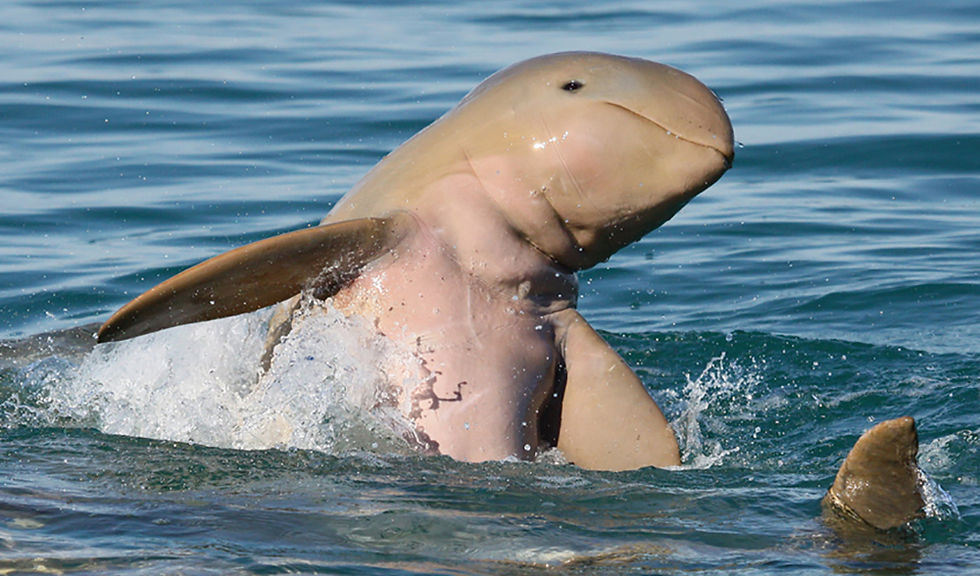
A similar scenario is happening with the Australian snubfin dolphin. Whilst technically a river dolphin, they are a unique species which does not match the general description. Living in the Fitzroy River, proposed ports are being developed which threaten the already fragile population. In 2011 severe flooding in the area washed chemicals into the river. This decreased the ecosystems dissolved oxygen and killed the fish which dolphins relied on for food. The federal government has failed to do anything to protect this endangered species due to the limited understanding we have. What we do know is that there are less than 10,000 adults left.
Donate to Whale and Dolphin Conservation to make a difference and protect the snubfin dolphin.
As always, comment below if you have a #wackywednesday animal that you'd like featured on the blog!


Hi @parksy63, great question! As far as I'm aware, one of the Amazon River dolphins main threat is pollution. This is because it directly impacts the dolphin, as well as killing the fish that they rely on for food. :(
So is the Amazon River dolphin suffering from pollution like in Asia or are there other reasons for its vulnerability ie food source etc?